Back to work Case study · UX / MedTech

ATS — Nightlife Triage

A medical UX concept designed for high-pressure nightlife emergencies in Dublin. ATS supports non-clinicians through the first critical minutes of care, when uncertainty and hesitation often delay life-saving action.

ATS Nightlife Triage cover image
Year 2025
Role UX / CC
Position Lead
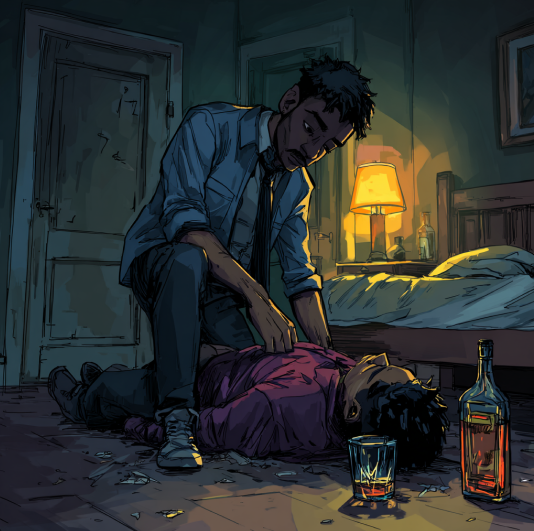
Nightlife scene context

The Problem

In Dublin, nightlife is great… until it’s not.

  • Medical emergencies in social settings are common, but bystanders rarely feel prepared to intervene.
  • Hesitation during escalation can directly affect outcomes.
  • In Ireland, over 80% of drug-poisoning deaths involve mixing, while only 5% of people are first-aid trained.
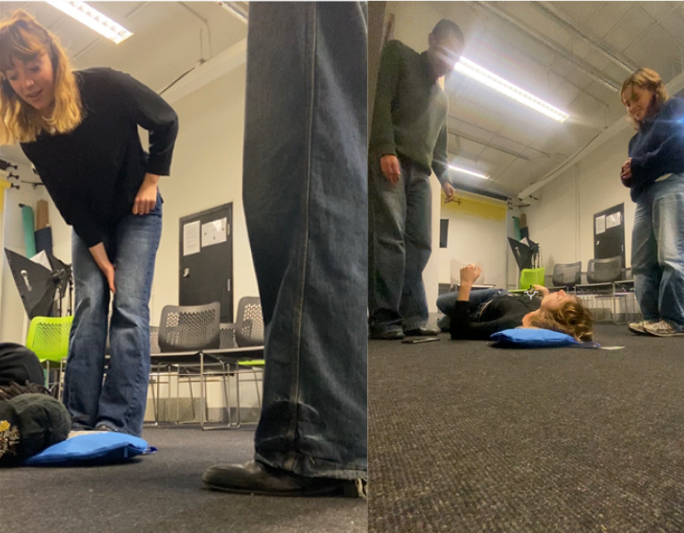
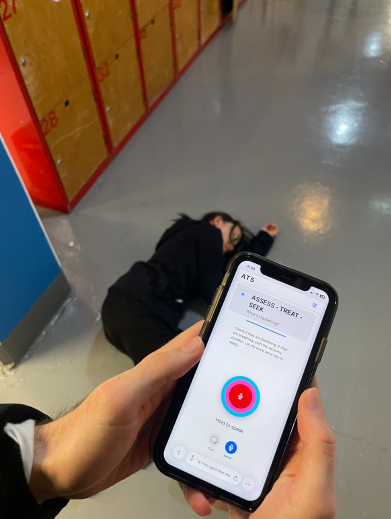
User testing for ATS

The Moment

How can we help ourselves to help others?

  • Existing resources (Talk To Frank, HSE guidance) are largely scroll-and-search and require users to self-diagnose under stress.
  • Calling 999 is critical, but it does not provide stepwise, visual, in-the-moment guidance for immediate action.
  • In early testing, users showed no consistent understanding of recovery position before support was provided.

Solution Concept

Where does ATS step in?

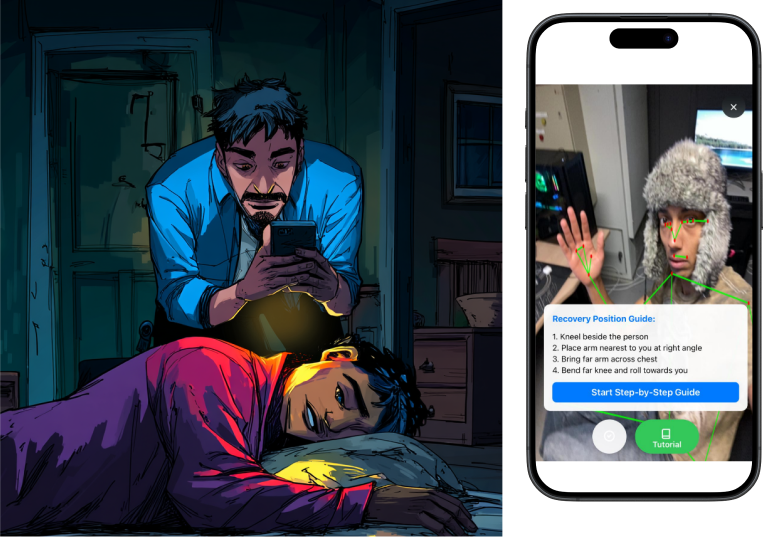
User finds patient unconscious
User self-assesses
User self-assesses
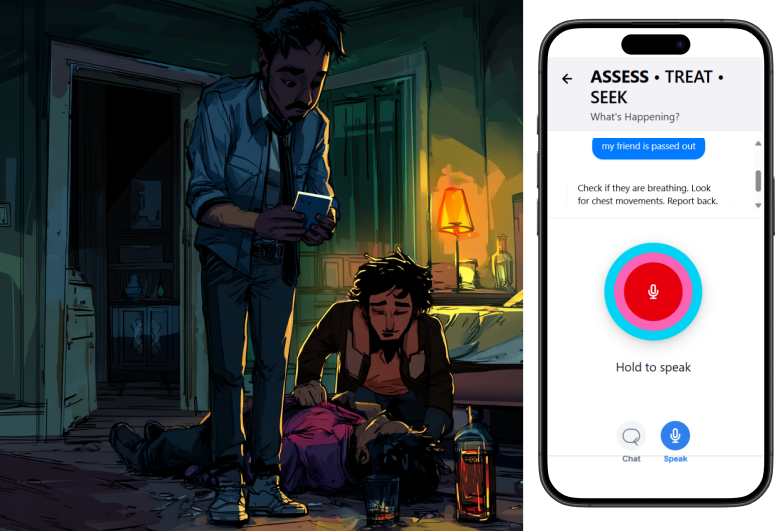
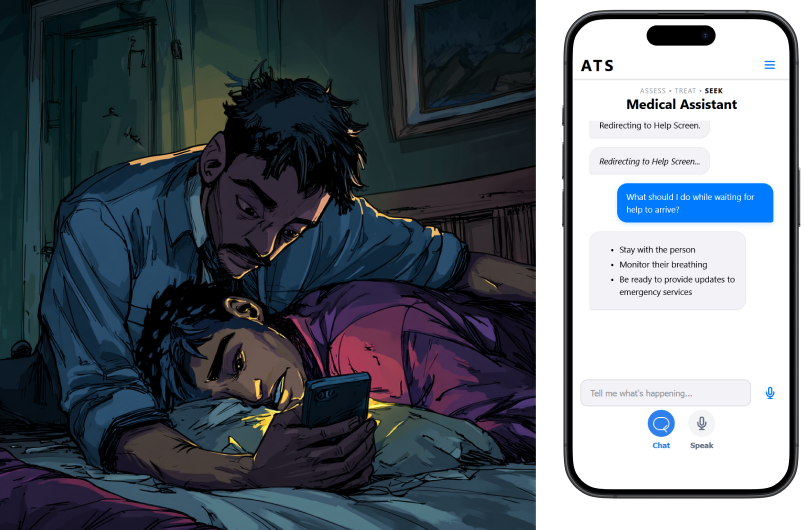
User opens ATS to assess the situation
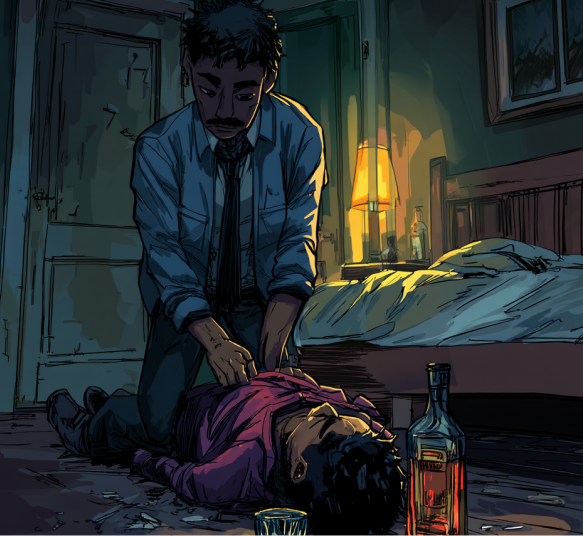
App prompts and guides recovery position
App prompts & guides recovery position
User monitors situation in app
User monitors situation
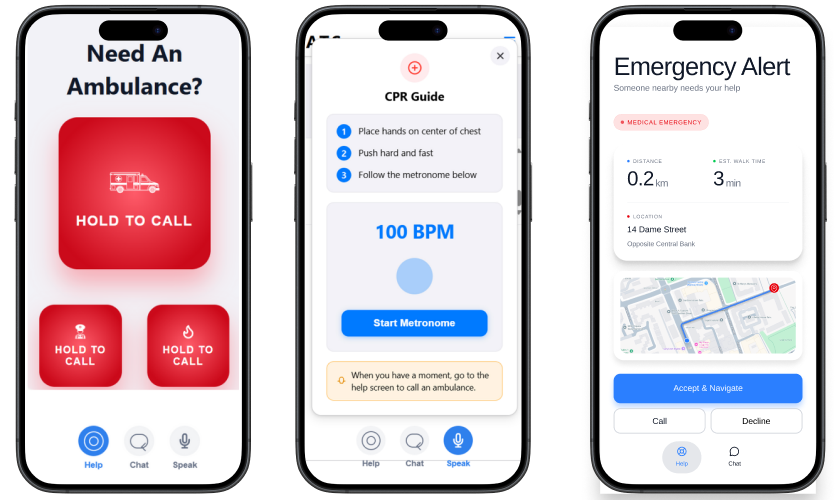
If situation worsens, app escalates: ambulance, CPR guide, and emergency alert screens

If situation worsens, app escalates

Prototype

Demo video

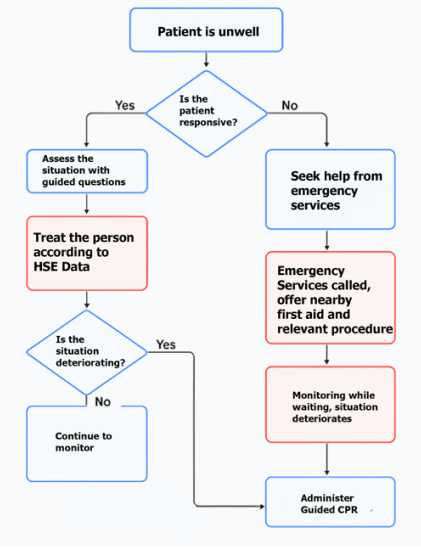
System logic diagram

System Logic

Assess. Treat. Seek.

ATS mirrors real triage behaviour with a clinically ordered care flow.

  • Assess — prioritised questions identify risk quickly and reduce decision paralysis.
  • Treat — action-first, step-by-step guidance supports immediate care delivery.
  • Seek — the system escalates to emergency services when required and continues monitoring.

Design Principles

  • One question, one step at a time.
  • Decision authority for non-clinical users.
  • Action first, explanation second.
  • Designed for impaired and high-stress use.

Validated across 12 user tests (3 in person, 4 paper prototype, 5 digital) in simulated college, home, and nightlife contexts.

Outcomes

Why the project matters.

User testing context for ATS

Reduces bystander hesitation in medical emergencies

ATS interface supporting citizen-led response

Makes first aid response a more citizen-led effort

Nightlife safety context

Creates a safer response system in nighttime social settings

Implementation

Tech & tools.

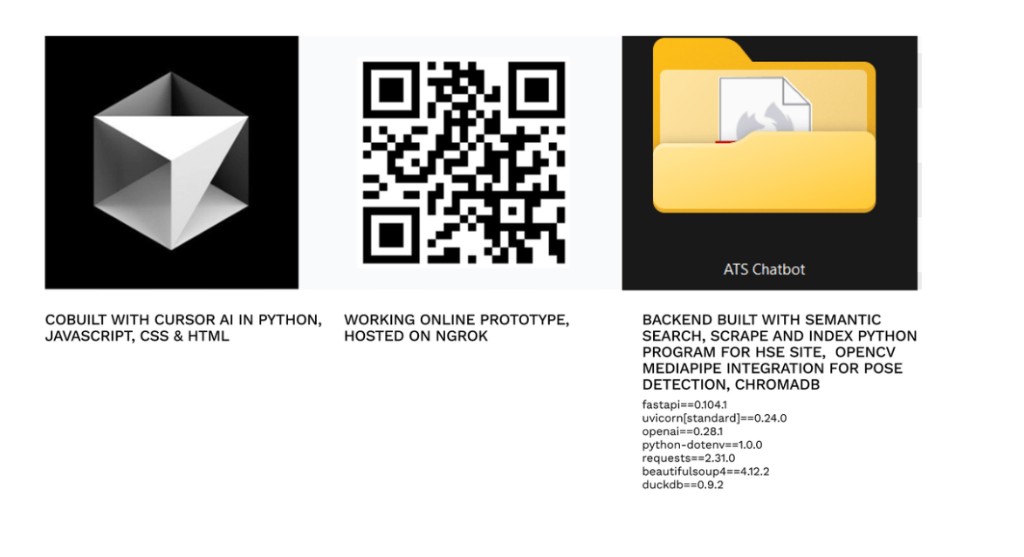
ATS Chatbot: built with Cursor AI, ngrok prototype, backend with semantic search, HSE indexing, OpenCV, MediaPipe, ChromaDB, and Python dependencies

Research

What I found.

12 User Tests

3 in person · 4 paper prototypes · 5 digital prototyping

User tests conducted in simulated college, at home, and in a nightclub.

Interviews

“I found myself to feel a little bit, not only less safe, but less like people would intervene to help me if something were to happen.”

Existing Examples

  • AI triage agents dispatched in the UK to cut waiting times.
  • Red Cross First Aid only helps people through scroll guides and assumes they can diagnose the situation themselves.

Up next

Assemb3D — VR & web learning

View case